Iran and Oman have jointly suggested a framework to ban vessels deemed hostile from the Strait of Hormuz, proposing heavy fines for any ships that violate the restrictions.
The proposal marks a significant escalation in the ongoing tensions surrounding the waterway, which handles roughly a fifth of the world's oil supply.
The development comes as vessel traffic through the Hormuz corridor has already plunged by 36% amid stalled talks between Tehran and Muscat.
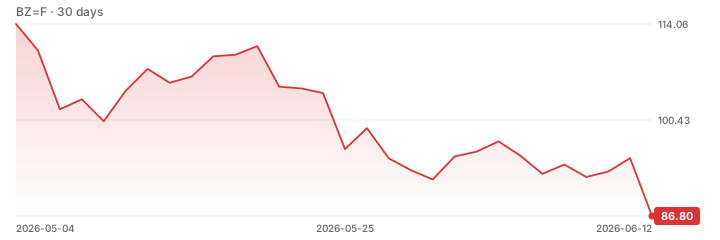
Brent crude prices extended their gains in early trading as the market absorbed the news.
The repricing reflects growing anxiety that the narrow passage could face a de facto blockade or severe operational disruption, triggering a broad risk premium across energy markets.
This follows a sharp climb in oil prices earlier in the week after reports emerged that Iran had struck "hostile targets" within the strait.
The development comes as vessel traffic through the Hormuz corridor has already plunged by 36% amid stalled talks between Tehran and Muscat.
The proposed ban on "hostile" vessels introduces a new, subjective criterion for transit, potentially allowing Iran to unilaterally restrict access to ships from nations it considers adversaries.