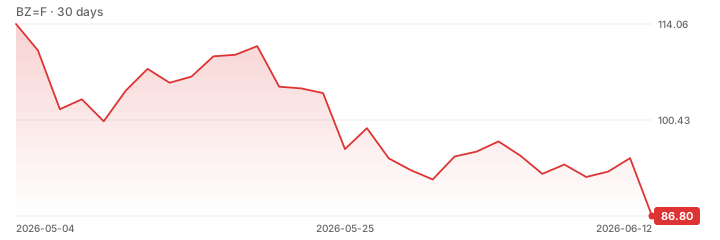
BP shares fell in trading Tuesday as the British energy giant reported a sharp surge in second-quarter earnings, driven by elevated oil prices linked to the Iran conflict.
The stock’s decline despite the financial beat highlights a disconnect between short-term commodity windfalls and investor sentiment regarding the sustainability of such gains.
73 billion for the three months ended June 30, more than doubling the $2.
The company reported adjusted net profit of $5.73 billion for the three months ended June 30, more than doubling the $2.35 billion recorded in the same period last year.
The windfall was directly attributable to higher fossil fuel prices flowing through to the bottom line as geopolitical tensions in the Middle East kept supply concerns elevated.
The market’s negative reaction suggests traders are viewing the earnings boost as a temporary anomaly rather than a structural improvement in BP’s underlying business model.
With the Iran war driving the price spike, investors appear wary of the volatility inherent in conflict-driven energy markets, preferring stability over short-term windfalls.