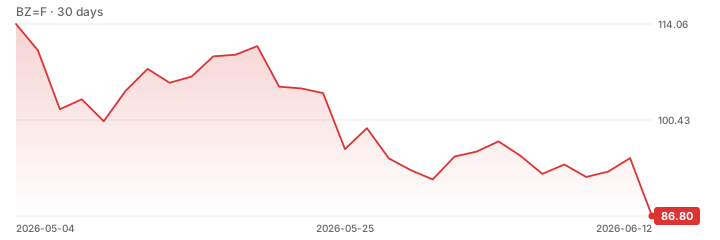
Brent crude prices continued their downward trajectory on Tuesday, pressured by growing market confidence that a diplomatic resolution is emerging in the Middle East.
The decline reflects a broader repricing of geopolitical risk as investors digest reports of substantive progress in indirect negotiations between the United States and Iran in Doha.
The sell-off extends a trend that began earlier in the week, with Brent crude having fallen to US$70.
The sell-off extends a trend that began earlier in the week, with Brent crude having fallen to US$70.84 per barrel on Thursday amid similar diplomatic signals. Markets are now pricing in the potential for a formal peace deal, a development that would significantly reduce the supply disruption risk that has underpinned oil prices since the framework agreement was announced by President Donald Trump.
This shift marks a notable change in market sentiment, as the geopolitical premium that had supported higher energy valuations begins to erode.
The focus has moved from immediate supply shock fears to the likelihood of stabilized shipping routes and normalized production flows in the region.
For traders, the key question is whether the diplomatic momentum will hold or if new tensions could reignite the risk premium.
The decline in oil prices also has implications for broader macroeconomic indicators, including inflation expectations and central bank policy paths.
Lower energy costs could provide some relief to consumers and businesses, potentially influencing upcoming rate decisions by central banks such as the Reserve Bank of Australia and Norges Bank.