The risk of a severe El Niño weather pattern has escalated significantly, with the National Oceanic and Atmospheric Administration (NOAA) raising the probability of a strong event to 81% for the October-to-December period.
This marks one of the most intense weather patterns forecast since 1950, signaling potential disruptions to global supply chains and energy markets.
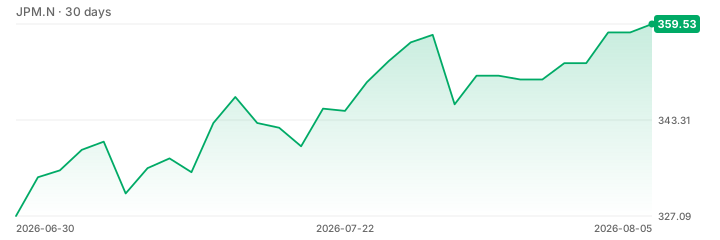
JPMorgan economists have warned that the rapidly intensifying El Niño, combined with higher energy prices, could add 0.
The macroeconomic implications are mounting.
JPMorgan economists have warned that the rapidly intensifying El Niño, combined with higher energy prices, could add 0.3 percentage points to global inflation next year.
The bank’s analysis suggests that the weather-driven supply shocks will persist into 2027, complicating the disinflationary trajectory for central banks.
Markets are beginning to price in the heightened climate risk, with energy and agricultural commodities seeing renewed volatility.