Colombia’s national electricity regulator, ACP, forecasts a 30% jump in diesel demand during the second half of the year as the El Niño weather phenomenon intensifies.
The surge is driven by the need to ramp up thermal power generation to compensate for declining hydroelectric output amid rising temperatures and drought conditions across the country.
The shift in energy mix has immediate fiscal implications.
The Colombian government is subsidizing non-industrial diesel (Acpm) at a rate of COP 8,000 per gallon to mitigate the impact on consumers and transport costs.
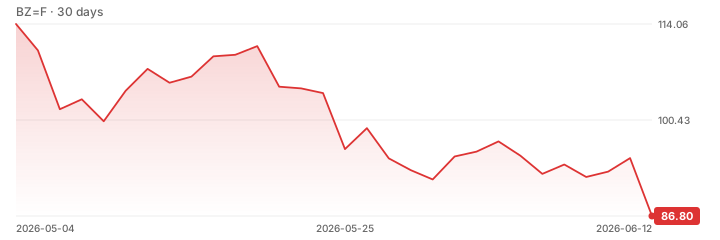
This subsidy comes as diesel prices are already set for a significant increase next week, driven by a sharp rally in international crude oil markets.
The energy stress aligns with broader macroeconomic warnings.
The National Oceanic and Atmospheric Administration (NOAA) recently raised the probability of a strong El Niño event to 81% for the October-to-December period, signaling one of the most intense weather patterns since 1950. This climatic shift is a key driver behind the Colombian central bank’s recent decision to lift its year-end inflation forecast to 6.9%, citing fuel and weather-related pressures.