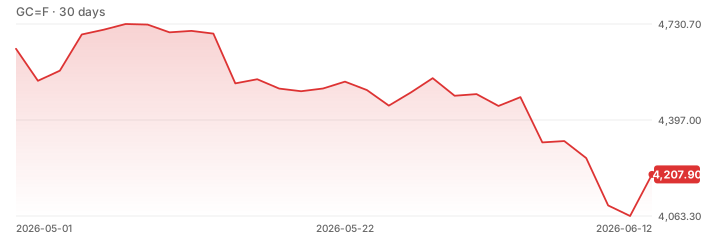
Gold prices have retreated from their late-January peak of approximately US$5,500 per ounce, entering a period of consolidation after a sustained rally.
The pullback reflects profit-taking following the metal's sharp advance earlier in the year, as investors reassess risk premiums in a shifting macroeconomic landscape.
This labor market softness provided a tailwind for safe-haven assets, with gold climbing more than 2% on Thursday in response to the report.
Despite the recent drift lower, the underlying case for gold remains intact.
The metal's recent performance was bolstered by disappointing US nonfarm payrolls data, which signaled a cooling economy and prompted traders to scale back expectations for aggressive monetary tightening.
This labor market softness provided a tailwind for safe-haven assets, with gold climbing more than 2% on Thursday in response to the report.
Geopolitical developments have also contributed to the metal's resilience.
A diplomatic breakthrough between the United States and Iran, confirmed on Monday, initially sparked a rally, with gold rising more than 1% on Tuesday as investors reacted to the evolving geopolitical posture. While such events can create short-term volatility, the broader trend suggests that structural demand for gold as a hedge against fiat currency debasement remains strong.