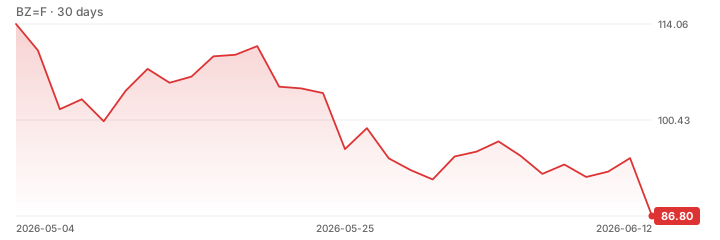
Indonesian consumer companies are bracing for continued earnings pressure in the second half of the year, driven by a weakening rupiah, sluggish domestic demand, and volatile commodity prices.
The currency's depreciation has emerged as a primary drag on first-half profitability, eroding margins for firms reliant on imported inputs or foreign-denominated debt.
The rupiah has traded near the 18,000 level against the US dollar, pressured by renewed hawkish signals from the Federal Reserve and sustained high global oil prices.
This macro environment complicates the outlook for Indonesian corporates, as Bank Indonesia maintains a cautious stance on monetary policy to balance inflation risks with growth support.
For investors, the combination of currency volatility and soft demand creates a challenging backdrop for the sector.
Companies with significant exposure to imported raw materials face margin compression, while those with strong domestic pricing power may see volume growth offset by higher input costs.