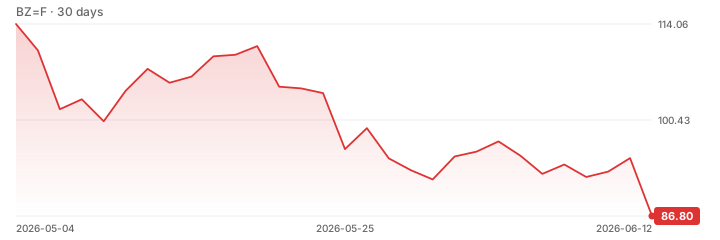
Iran has agreed to open a temporary shipping route through the Strait of Hormuz as part of a tentative deal with Oman, according to Iranian Deputy Foreign Minister Kazem Gharibabadi.
The arrangement is expected to remain operational for two to four months, providing a narrow window for commercial traffic to resume in one of the world's most critical energy chokepoints.
The development marks a shift from Iran's previous stance of threatening to block US naval escorts in the strait, a move that had significantly escalated shipping risk and freight costs earlier this year.
By negotiating a temporary corridor with Oman, Tehran appears to be seeking a pragmatic solution to the ongoing transit impasse, even as broader diplomatic tensions remain unresolved.
Markets are likely to view the announcement as a short-term de-escalation of route exposure risk.
While the temporary nature of the deal limits its long-term impact on energy flows, the mere possibility of resumed transit could provide some relief to tanker equities and freight rates, which have been pressured by the threat of prolonged disruption.