The United States is confronting what Middle East observers describe as a historic "strategic defeat" five months after initiating military operations against Iran, with Tehran maintaining firm control over the Strait of Hormuz.
Experts suggest President Donald Trump is left with limited options: either capitulate to Iranian demands or risk entangling the US in a "forever war" that offers no clear path to victory.
This assessment comes as the Islamic Republic shows no signs of relinquishing its leverage over the critical waterway, effectively neutralizing US military pressure.
The persistence of Iranian control over the Strait keeps a significant risk premium embedded in global energy and shipping markets.
While earlier reports suggested hopes for a deal might fade the shipping risk premium, the current stalemate indicates that route exposure remains acute.
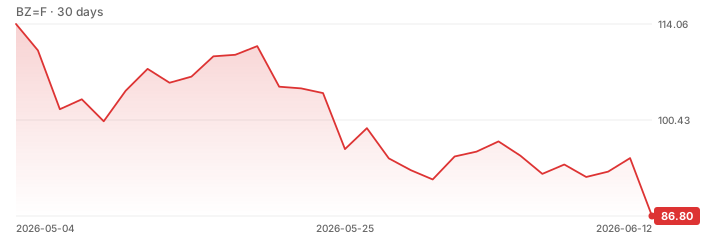
Brent crude and tanker equities continue to price in the probability of further disruptions, as the threat of renewed attacks on commercial vessels looms large.
The market implication is a sustained volatility floor for oil prices, driven not by supply deficits but by the geopolitical uncertainty of transit security.
This development marks a sharp reversal from the brief period of optimism seen in late June, when Brent crude retreated to pre-war levels as shipping appeared to normalize.