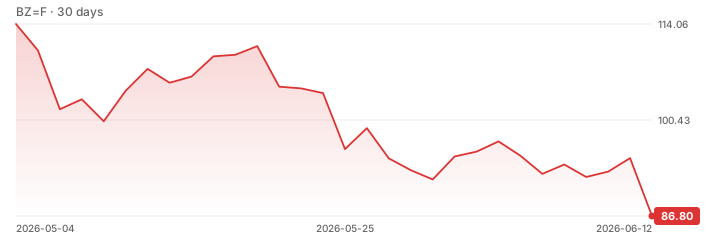
Nigerian households and businesses have sharply reduced consumption of petrol, diesel, and cooking gas during the first half of 2026, driven by sustained high pump prices that are eroding disposable income.
The drop in demand reflects the direct impact of elevated energy costs on daily life and transport logistics in the country.
The contraction in fuel usage underscores how global energy market pressures are filtering through to end-user demand in key emerging economies.
As prices remain elevated, consumers are prioritizing essential spending, leading to a measurable decline in fuel volumes across the board.
This development adds to the broader narrative of energy affordability challenges globally.
While US consumer spending has shown resilience as gasoline prices begin to ease there, the situation in Nigeria illustrates the divergent impacts of energy costs across different regions.