Seafarers aboard hundreds of vessels in the Strait of Hormuz remain effectively stranded, with reports describing the ships as "floating prisons" and crews as having been "completely abandoned." The humanitarian crisis underscores the operational paralysis gripping one of the world's most critical energy chokepoints, even as diplomatic efforts continue in the background.
The International Maritime Organization (IMO) has confirmed that at least 6,000 seafarers are still trapped on vessels in the strait, unable to evacuate despite a ceasefire holding in the region.
Dutch media outlet NU.nl reports that the broader evacuation of approximately 11,000 seafarers is expected to take several weeks to complete, highlighting the logistical complexity and security risks involved in clearing the corridor.
This prolonged standoff maintains pressure on global shipping routes and energy flows.
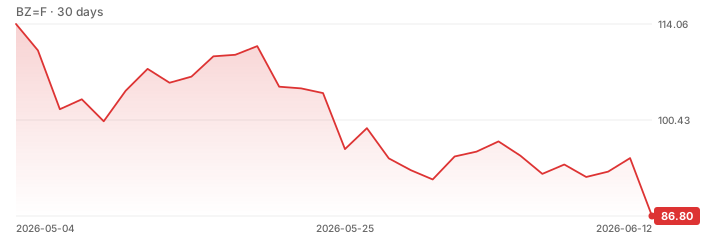
The inability to clear the strait quickly keeps freight rates elevated and sustains risk premiums in oil markets, as traders price in the potential for renewed disruption.
Wall Street opened mixed on Thursday, with Hormuz talks and corporate earnings weighing on sentiment, reflecting the market's cautious stance amid ongoing geopolitical uncertainty.