The human and logistical toll of the conflict in the Persian Gulf is deepening, with approximately 6,000 sailors remaining stranded on vessels in the region more than five months into the war.
Reports indicate that crews on commercial ships anchored near Iran's coast are entering their fourth month under the watch of Iranian guards, highlighting the persistent security risks that continue to disrupt maritime trade.
Between 58 and 68 million barrels of Iranian oil are currently afloat at sea, with more than 90% of the cargo lacking a confirmed destination.
This ongoing captivity of seafarers coincides with a severe logistical bottleneck for energy markets.
Between 58 and 68 million barrels of Iranian oil are currently afloat at sea, with more than 90% of the cargo lacking a confirmed destination.
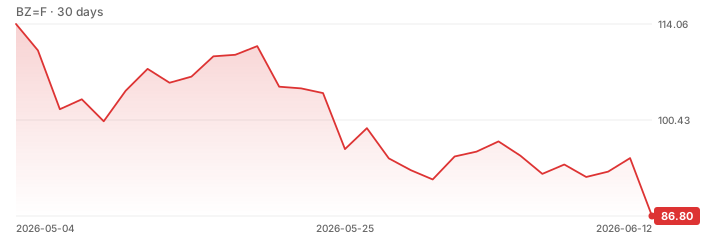
The accumulation of this floating inventory underscores the paralysis affecting global oil flows and contributes to sustained volatility in energy prices.
The situation contrasts with earlier hopes for a resolution.
While a large-scale evacuation plan backed by both Iran and the United States was previously reported to facilitate the exit of more than 11,000 seafarers through the Strait of Hormuz, the current reality suggests that significant numbers remain trapped.
This discrepancy between planned evacuations and actual conditions reinforces market skepticism regarding the stability of shipping routes in the region.
For traders and investors, the persistence of these stranded assets and personnel serves as a tangible reminder of the geopolitical risk premium embedded in oil and shipping equities.