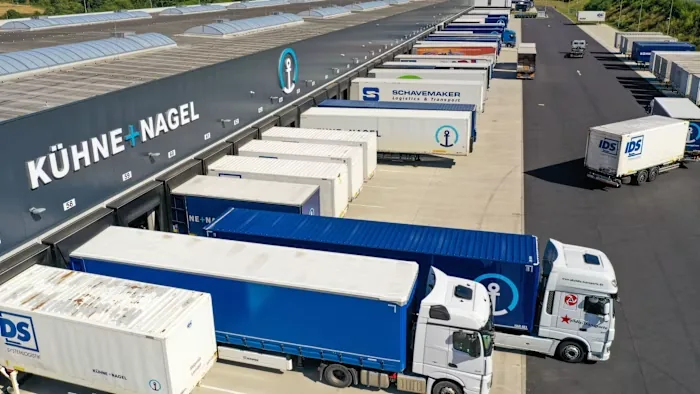
A leading global freight forwarder has cautioned that road transport cannot serve as a viable substitute for maritime shipping through the Strait of Hormuz, even as geopolitical tensions escalate in the region.
The assessment underscores the structural limitations of land-based logistics in handling the volume and scale of global energy and trade flows that currently pass through the strategic waterway.
The warning comes as commercial shipping activity in the Strait has accelerated sharply, reaching its highest daily volume since Iran closed the waterway in March.
Despite a reported missile attack on a container ship earlier this week, trade flows have not ground to a halt, indicating that market participants are continuing to navigate the corridor despite elevated risks.
This resilience in shipping volumes contrasts with earlier fears of a complete disruption.
The inability to reroute significant portions of this trade via trucks or rail means that any sustained closure or severe degradation of the Strait would likely result in immediate and severe bottlenecks for global supply chains, particularly for energy exports from the Gulf region.