Iran and Oman have indicated that service fees for vessels transiting the Strait of Hormuz will be determined by the specific services provided by the two nations.
This clarification comes as both countries navigate the implementation of a new fee regime for commercial shipping in the critical waterway.
The approach suggests a tiered pricing model rather than a flat tariff, with costs scaling according to the operational support or security guarantees offered to passing ships.
This development adds complexity to the proposal recently presented by Oman to the United States and other Western nations, which initially called for standardized service fees for transit.
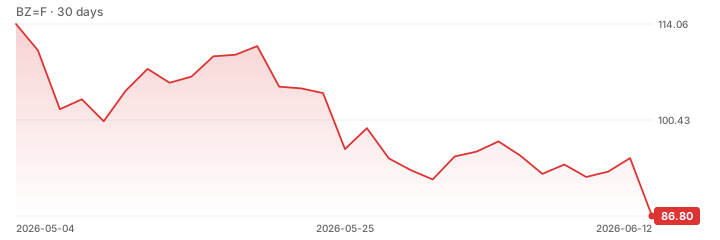
The Strait of Hormuz remains a vital artery for global energy flows, handling a significant portion of the world's oil and liquefied natural gas trade.
Any shift in the cost structure or operational requirements for transit can have immediate implications for shipping margins and energy prices.