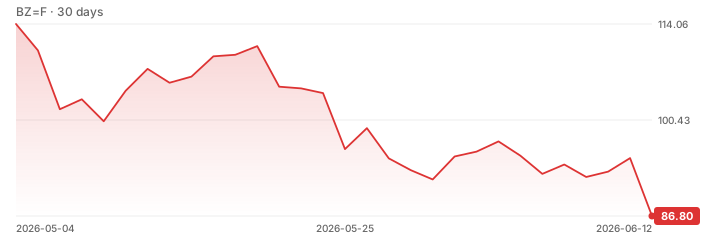
Oil prices extended their rally after an Iranian news agency reported that the Islamic Republic struck "hostile targets" in the Strait of Hormuz.
The development marks a significant escalation in the ongoing US-Iran conflict, directly threatening one of the most critical energy transit routes in the global supply chain.
This move follows a period of volatile repricing, with crude having jumped over 2% earlier in the week after reports of US strikes threatened an interim peace deal.
Brent and WTI crude futures climbed more than 1% in the session, reflecting immediate market concern over potential disruptions to tanker traffic and energy flows.
This move follows a period of volatile repricing, with crude having jumped over 2% earlier in the week after reports of US strikes threatened an interim peace deal. The Strait of Hormuz remains a persistent flashpoint, with previous US-Iran talks in Doha failing to resolve the underlying tensions that keep a risk premium embedded in energy markets. Traders are now assessing the likelihood of prolonged hostilities and the potential for tighter global supplies, a theme that has driven volatility since fresh US military strikes on Iran escalated tensions earlier in the week. The market's reaction underscores the sensitivity of energy prices to geopolitical developments in the region, where even preliminary deals have struggled to calm shipping fears. Investors will be watching for any official statements from naval authorities or insurance providers regarding route security and transit changes in the coming hours.