Commercial shipping through the Strait of Hormuz has effectively ground to a halt, with only two commodity vessels passing through the waterway in a 24-hour period on Wednesday.
The sharp contraction in movement underscores the severity of the ongoing disruption, as negotiations over a new transit corridor struggle to keep pace with the operational paralysis on the ground.
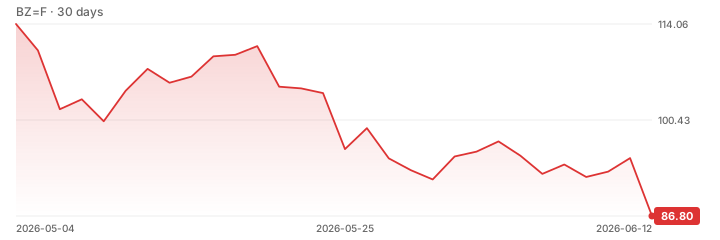
The near-total freeze in traffic represents a significant escalation in shipping risk, threatening to tighten global energy supplies and disrupt trade flows that depend on the narrow passage.
With only a handful of vessels transiting in recent hours, the waterway’s capacity to handle normal commercial volumes has been severely compromised, raising immediate concerns for energy markets and logistics planners.
This development follows a period of heightened tension and stalled diplomacy.
Earlier this week, shipping groups urged the UN to block proposed transit fees as Iran and Oman neared a deal, highlighting the complex political hurdles to restoring normal operations. The current standstill suggests that without a breakthrough in negotiations, the risk premium on energy and freight will remain elevated.