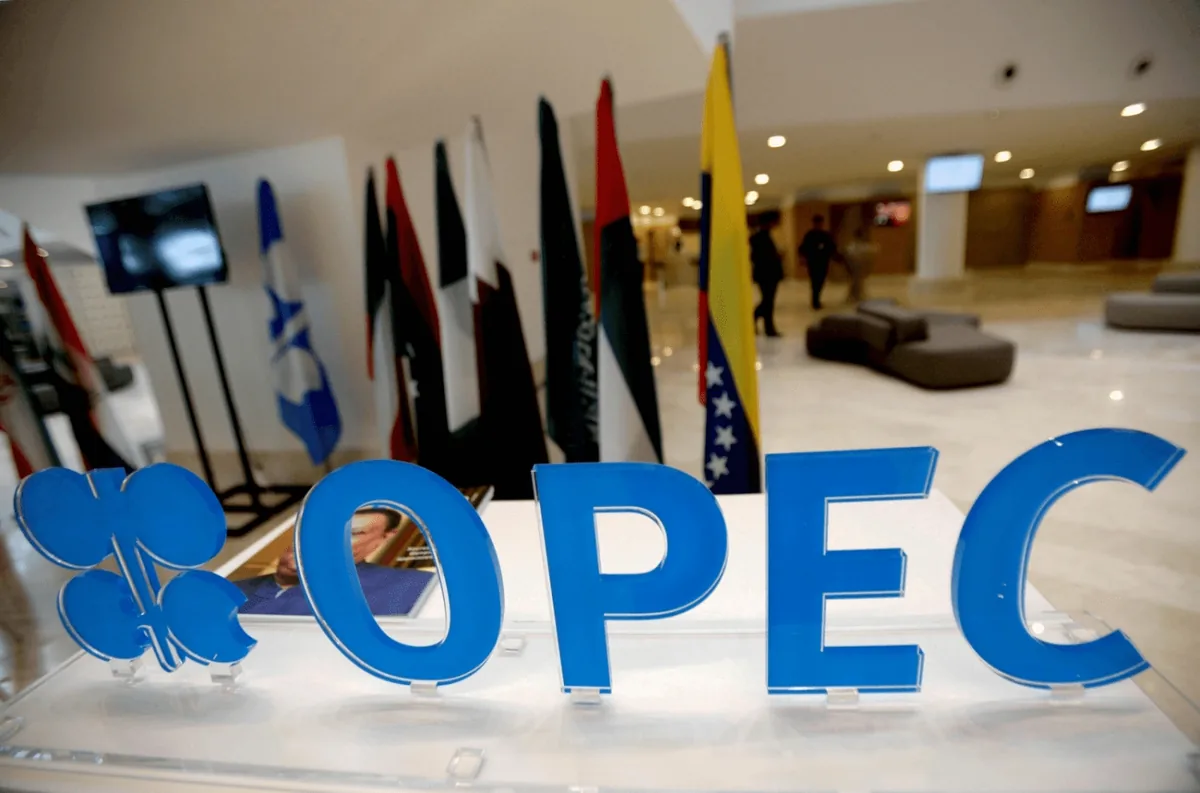
The structural integrity of OPEC+ is facing its most severe test in nearly seven decades, as internal disputes over production quotas threaten to unravel the cartel’s ability to manage global supply.
Reports indicate that the organization is grappling with one of its deepest crises, driven by diverging national interests and the inability to enforce unified output cuts.
This fragmentation comes at a critical juncture for energy markets.
The United Arab Emirates’ recent departure from the organization has already signaled a potential end to coordinated output controls, undermining the cartel’s leverage over pricing.
With the IEA and OPEC itself downgrading 2026 demand growth projections to 1.2 million barrels per day, the loss of supply discipline could exacerbate downward pressure on prices, potentially pushing benchmarks toward lower levels if production floods the market.
For traders, the implication is a shift from policy-driven supply constraints to a more volatile, geopolitically influenced regime.