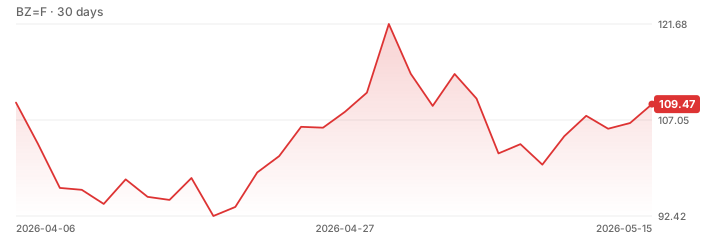
Global oil inventories are declining at an unprecedented rate due to the ongoing disruption in the Strait of Hormuz, with UBS forecasting that stockpiles could reach near-record lows by the end of May if the situation remains unresolved.
The closure of this critical shipping route has intensified concerns over supply chain stability and is exerting upward pressure on energy prices.
Oil prices have responded sharply to the heightened risk, with Brent crude climbing in recent sessions as traders factor in the potential for prolonged supply constraints.
The market is now pricing in a longer-term disruption, with Saudi Aramco's CEO warning that normalization could take until 2027 if the chokepoint remains closed beyond mid-June.
The Strait of Hormuz is a vital artery for global oil trade, and its closure has already triggered a shift in sourcing strategies, including increased U.S. oil imports by China.
The situation underscores the fragility of energy logistics and the cascading effects of geopolitical instability on commodity markets.