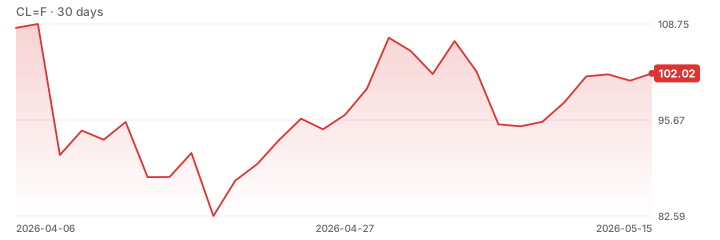
Oil prices surged more than 2% on Thursday after Iran's supreme leader, Ayatollah Ali Khamenei, stated that the country's enriched uranium will not be exported, a stance that is expected to complicate ongoing peace talks with the United States.
The move has intensified fears of renewed geopolitical tensions in the region, particularly in the Strait of Hormuz, a critical energy chokepoint.
U.S. crude oil prices climbed in response to the heightened risk, with traders factoring in the potential for further disruptions to global energy flows.
The market reaction underscores the sensitivity of oil prices to developments in the Middle East, where any escalation could have far-reaching implications for global supply chains.
The decision to retain enriched uranium domestically aligns with Iran's broader strategy of asserting its nuclear sovereignty, a position that has long been a sticking point in negotiations with Western powers.
Analysts suggest that this stance could delay or derail efforts to revive the 2015 nuclear deal, which has been in limbo since the U.S. withdrawal in 2018., with no immediate resolution in sight.
Market participants are closely watching for further signals from both sides, as well as any developments in the Strait of Hormuz, where shipping disruptions have already contributed to volatility in energy markets.