Leading energy analysts are warning that the geopolitical conflict in the Strait of Hormuz has permanently altered the structural baseline for global oil prices.
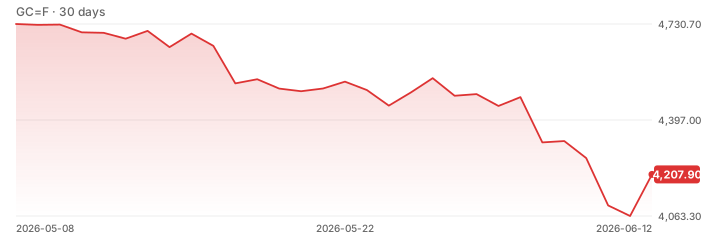
While recent market data shows a temporary decline in fuel costs, experts argue that this dip masks a deeper, long-term shift driven by the depletion of strategic petroleum reserves and the ongoing disruption of critical shipping lanes.
The consensus among market observers is that the era of pre-conflict pricing is over.
The disruption in the Hormuz corridor, a vital chokepoint for global energy transit, has forced a repricing of risk premiums into crude valuations.
This structural change implies that even if immediate tensions ease, the underlying supply constraints and elevated insurance costs will keep prices higher than historical averages.
This development carries significant implications for downstream industries.