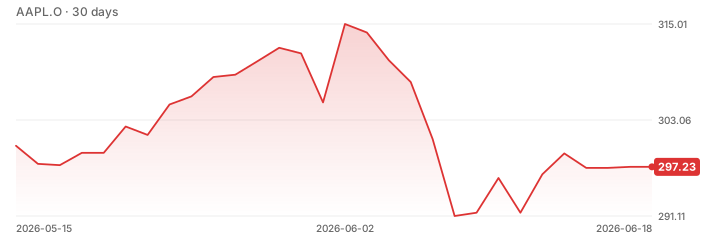
Apple Inc. has implemented price increases of up to 25% on its Mac and iPad product lines, citing surging costs for memory chips.
The move marks a significant escalation in the consumer electronics giant's response to supply constraints, signaling that inflationary pressures in the technology sector remain stubbornly high despite broader signs of easing in energy markets.
The price hikes come as a direct response to a severe global shortage of memory chips, which has driven up production costs for the company.
While falling gasoline prices have provided some relief to consumers and helped cool headline inflation figures, Apple's decision to pass on costs suggests that underlying price pressures in key supply chains are not abating as quickly as hoped.
Apple shares fell in trading Thursday as the company confirmed the price increases on its MacBook and iPad product lines.
Investors are weighing the impact of higher prices on demand, particularly in a market where consumers are already feeling the pinch from elevated costs in other areas.