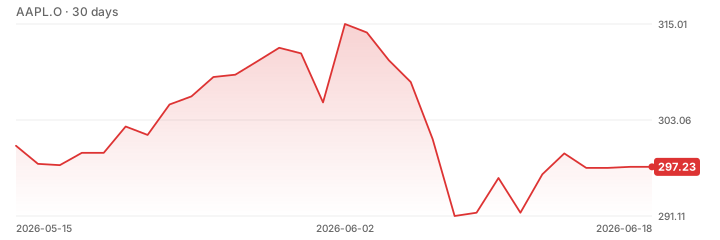
Apple Inc. shares suffered their steepest decline in more than a year on Thursday, as investors digested the company's decision to raise prices on its MacBook and iPad product lines.
The move represents a significant shift in strategy, marking the first time the tech giant has officially passed higher component costs onto consumers in response to a severe global shortage of memory chips.
With memory chip costs surging, the company has implemented price increases of up to 25% on affected Mac and iPad models.
The repricing reflects mounting pressure on Apple's supply chain.
With memory chip costs surging, the company has implemented price increases of up to 25% on affected Mac and iPad models.
This direct pass-through of inflationary costs signals that component scarcity is beginning to erode the pricing power that has long protected Apple's margins.
Market reaction was swift and negative.