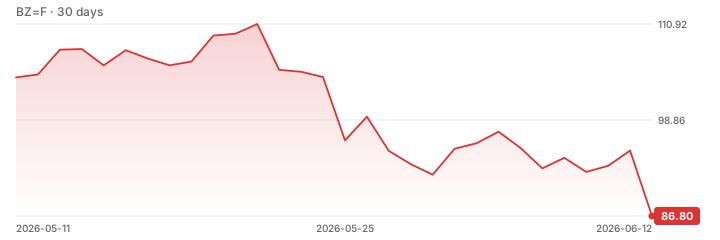
Brent crude futures for August delivery dropped $1.08, or 1.46%, to $72.66 a barrel by 0952 GMT, marking a significant pullback from recent peaks.
The decline signals that market participants are rapidly unwinding the supply disruption premium that had supported prices since the onset of the Iran conflict.
The sell-off reflects growing expectations of increased Middle Eastern supply, driven by reports of resumed shipping activity through the Strait of Hormuz.
As logistical bottlenecks appear to be easing, the immediate risk of a physical supply crunch has diminished, prompting traders to reassess the severity of the geopolitical threat to global oil flows.
This move represents a sharp reversal from earlier in the week, when oil prices had climbed to their highest level since the start of the war, according to earlier reports.
The rapid repricing underscores how sensitive energy markets remain to real-time developments in shipping routes and regional stability, with sentiment shifting quickly as on-the-ground conditions improve.