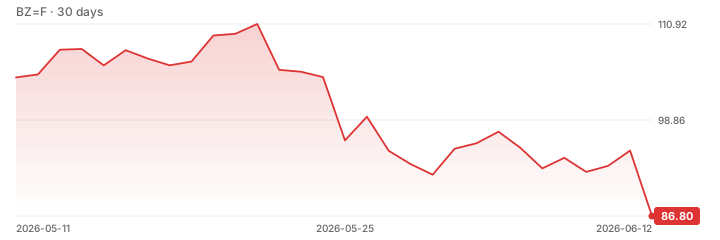
Brent crude fell below $75 per barrel as shipping activity in the Strait of Hormuz showed signs of normalization, driven by a growing number of tankers transiting the chokepoint with satellite tracking signals active.
The move reflects a tangible shift in sentiment among shipowners and energy traders, who are increasingly confident in the safety of passage through one of the world’s most vital energy corridors.
The repricing of shipping risk comes as satellite imagery indicates that more than 400 large vessels are currently waiting for clearance to transit the Strait of Hormuz.
While the backlog highlights continued logistical strain, the increase in broadcast crossings suggests that the immediate threat of disruption is receding, allowing markets to unwind the geopolitical premium that had supported higher prices.
This development marks a significant change from recent weeks, where uncertainty over route security had kept tanker routes exposed and freight rates elevated.
The return of normal tracking behavior implies that insurance costs and routing detours may begin to stabilize, providing relief to global supply chains that have been operating under heightened risk assumptions.