Colombia's illegal drug economy generated revenue equivalent to 4.4 percent of the country's gross domestic product in 2024, surpassing the value of its top legal export, oil, for the first time since 2014.
The finding comes from a new study by the Universidad EAFIT, which underscores the persistent scale of illicit financial flows in the South American nation despite years of counter-narcotics efforts.
The data point carries significant implications for investors monitoring Colombia's macroeconomic stability and the long-term viability of its energy sector.
While oil remains a critical component of the country's formal economy, the fact that illicit revenues now outpace this legal pillar suggests deep structural challenges.
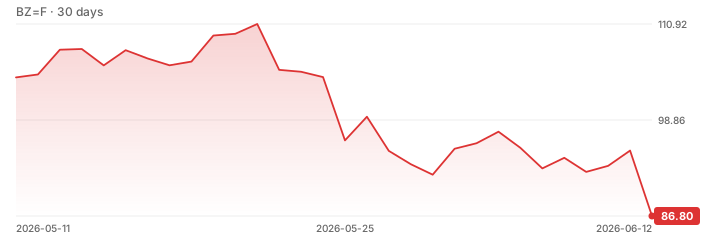
These challenges are compounded by rising global oil prices, which have begun to squeeze margins for domestic manufacturers dependent on imported raw materials, according to recent market analysis.
The study arrives as Colombia navigates a decisive political shift following the presidential runoff victory of outsider Abelardo de la Espriella.