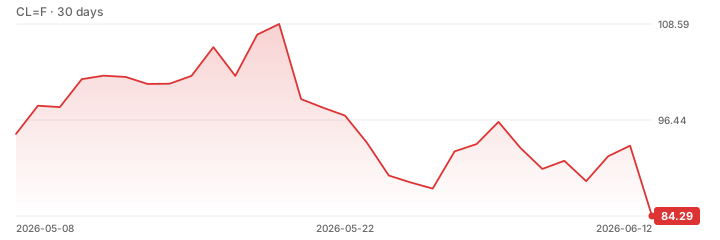
Global crude oil benchmarks retreated on Tuesday following claims by US President Donald Trump that a record 19 million barrels of oil flowed through the Strait of Hormuz on Monday.
The statement, made on Tuesday, suggested that the strategic waterway is handling significantly higher volumes than previously anticipated, contributing to a downward pressure on prices as markets reassessed supply risk.
Brent crude and West Texas Intermediate (WTI) both extended their declines, with WTI falling nearly 6% in recent sessions as traders digested the implications of restored traffic.
Brent crude and West Texas Intermediate (WTI) both extended their declines, with WTI falling nearly 6% in recent sessions as traders digested the implications of restored traffic.
The price action reflects a shift in sentiment from acute disruption risk toward a normalization of flows, driven by reports that Iran may be moving to restore full transit capacity as part of broader diplomatic engagements with the United States.
The Strait of Hormuz remains a critical artery for global energy supplies, and any indication of stabilized throughput has immediate implications for freight rates and tanker equities.
Previous coverage highlighted ongoing tensions between the US and Iran regarding nuclear inspections and transit fees, which had kept a premium on shipping insurance and route exposure.