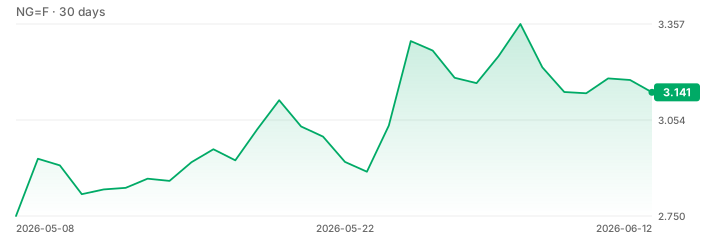
European natural gas storage levels have fallen to their lowest point in 15 years, raising alarms among market participants about the region's ability to weather a severe winter.
The tightening supply picture comes as the European Union prepares to implement a comprehensive ban on Russian liquefied natural gas imports starting January 1, 2027.
Analysts cited by media reports warn that the combination of depleted reserves and the impending regulatory shift could drive up prices for both households and industrial consumers, particularly if weather conditions turn colder than average.
The structural shift in supply chains is forcing European buyers to secure alternative sources at a premium, adding cost pressure to an already sensitive energy market.
This development marks a sharp reversal from earlier in the week, when European natural gas benchmarks retreated on hopes of de-escalating geopolitical tensions between the United States and Iran.
While diplomatic signals briefly eased supply fears, the underlying physical reality of low storage levels and the looming Russian import ban is now dominating the risk narrative.