Consumer price inflation in Germany eased to 2.3% year-on-year in June, down from 2.6% in the previous month.
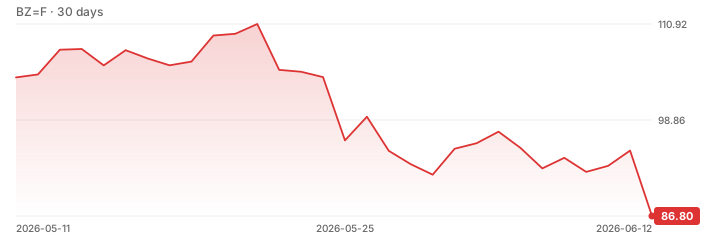
The slowdown was primarily driven by a sharp decline in oil prices and the continued effect of widespread discounts at fuel stations, which helped offset price increases in other categories.
While the overall rate remains above the European Central Bank’s 2% target, the downward trend suggests that easing energy costs are providing some relief to households and businesses.
The data, reported by Die Zeit and corroborated by other media outlets, highlights the sensitivity of headline inflation to energy market fluctuations.
While the overall rate remains above the European Central Bank’s 2% target, the downward trend suggests that easing energy costs are providing some relief to households and businesses.
Markets are likely to interpret the softer print as a positive signal for monetary policy, potentially reinforcing expectations for rate cuts in the coming months.
However, investors will also scrutinize core inflation figures, which exclude volatile energy and food prices, to gauge the underlying persistence of price pressures.