Leaders of Arab nations in the Persian Gulf are expressing deep skepticism regarding the long-term viability of the recently reported US-Iran agreement, warning that the deal may represent a strategic misstep rather than a durable resolution to regional tensions.
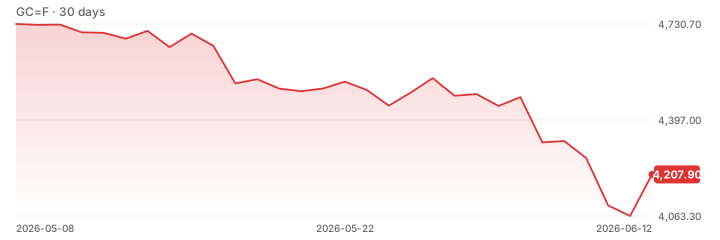
This diplomatic friction emerges as financial markets have already moved aggressively to price in a de-escalation scenario, with oil prices falling sharply on Monday as traders discounted the prospect of renewed conflict in the Strait of Hormuz.
The disconnect between diplomatic reality and market pricing is widening.
While traders have rapidly sold off the geopolitical risk premium embedded in energy contracts, Gulf allies view the relationship with Washington through a lens of strategic partnership that the current administration has historically treated with transactional pragmatism.
Reports indicate that regional leaders fear the agreement lacks the structural safeguards necessary to prevent future disruptions to shipping lanes, which remain critical to global energy supply chains.
Handelsavisen’s archive context highlights that earlier market euphoria surrounding President Trump’s announcement of a finalized agreement was viewed by analysts as premature.