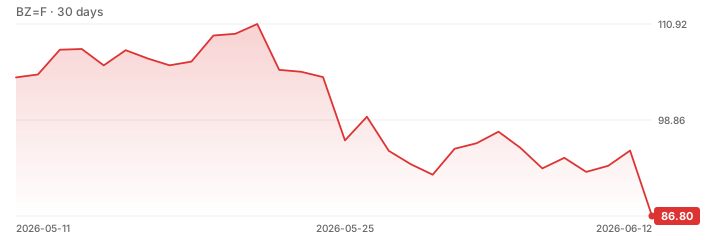
The recent reopening of the Strait of Hormuz to oil and gas traffic may not signal a return to normalcy for global energy markets.
Analysts are warning that the waterway’s closure for more than 100 days could prove to be a structural turning point, fundamentally reshaping how global energy flows are managed and priced.
The comparison to the 1973 oil embargo is being drawn by commentators who see parallels in how prolonged supply shocks force permanent changes in trade routes and consumption habits.
While physical flows have resumed, the psychological and logistical scars of the disruption remain.
Shipowners and traders are increasingly factoring in the risk of renewed conflict when planning voyages, suggesting that the premium for Hormuz transit may persist even in peacetime.
This structural shift comes as Brent crude prices have already fallen sharply, returning to levels seen before the recent Middle East conflict escalated.