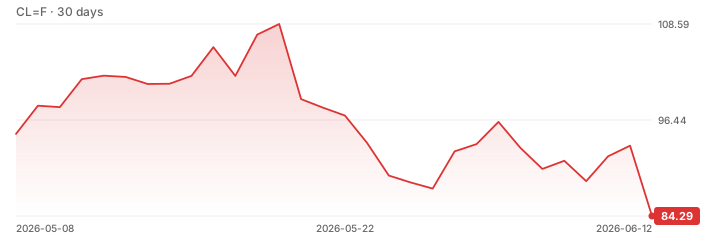
Eleven India-bound vessels have successfully navigated the Strait of Hormuz since June 17, marking a tangible step toward the restoration of normal trade flows through the critical energy corridor.
The fleet includes three Indian-flagged crude oil tankers, each carrying approximately 285,000 metric tonnes of oil, alongside one foreign-flagged crude tanker and six foreign-flagged bulk carriers transporting fertilizers.
The Ministry of External Affairs (MEA) confirmed the transits, which serve as a key indicator of de-escalating shipping risk in the region.
For market participants, the movement of these large-capacity tankers suggests that insurance premiums and routing risks may be stabilizing, potentially easing pressure on freight rates and energy supply chains that have been disrupted by geopolitical tensions.
This development follows earlier reports of cargo vessels carrying urea, diammonium phosphate (DAP), and sulphur successfully navigating the strait en route to Indian ports.
The cumulative effect of these transits points to a broader trend of commercial traffic returning to the Strait of Hormuz, although full normalization depends on sustained security assurances and clear transit rules.