Iran's Islamic Revolutionary Guard Corps has issued a stern warning to shipowners, declaring any new transit route through the Strait of Hormuz established without coordination with Tehran as "unacceptable and dangerous." The military branch signaled it would take action against vessels attempting to bypass its authorization, effectively rejecting efforts to establish alternative shipping lanes that do not submit to Iranian oversight.
The threat injects fresh uncertainty into global energy markets at a time when traders were beginning to price in a potential easing of tensions.
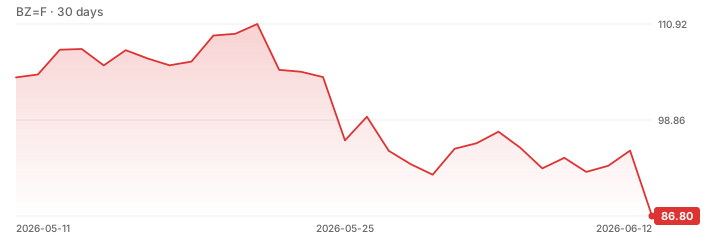
Brent crude futures faced renewed pressure as the warning underscored the fragility of the current maritime security arrangement.
The IRGC's stance suggests that Tehran remains determined to retain strict control over the chokepoint, which handles a significant portion of the world's oil supply.
This development complicates the diplomatic landscape, coming shortly after US officials pledged security guarantees for Gulf states and warned against the imposition of tolls on Hormuz transits.
The clash of narratives highlights the ongoing struggle for influence in the region, with Tehran using naval leverage to assert its strategic interests against Western-backed security frameworks.