Iran’s strategy of disrupting shipping through the Strait of Hormuz to gain negotiating leverage is unlikely to translate into long-term control, according to defense experts analyzing the ongoing standoff.
While Tehran has successfully raised the cost of doing business in the region, the structural realities of global energy flows limit its ability to impose a permanent toll on international trade.
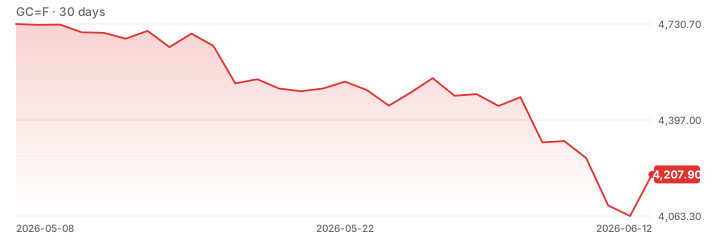
The assessment comes as fuel costs continue to climb, reflecting the market’s pricing of persistent transit risks.
Iran has previously asserted exclusive authority to clear mines from the strait, citing a memorandum of understanding with the United States, but this claim has not resulted in a stabilized corridor.
Instead, the threat of further disruption remains a central driver of volatility in energy and freight markets.
Recent incidents, including an Iranian drone strike on a cargo ship, have reignited concerns about the safety of the chokepoint.