Nigeria's domestic crude oil supply to refineries fell to 15.84 million barrels in May 2026, according to data reported by The Punch.
The decline occurred despite the facilities achieving a combined intake of 17.92 million barrels for the month, highlighting a growing gap between available infrastructure capacity and actual feedstock delivery.
The shortfall is attributed to ongoing sabotage allegations in the Niger Delta region, where pipeline vandalism remains a persistent threat to energy infrastructure.
These disruptions directly impact the throughput of domestic refineries, which have been central to the government's strategy to reduce reliance on imported petroleum products.
This development adds to broader concerns about supply chain vulnerabilities in West Africa's largest oil producer.
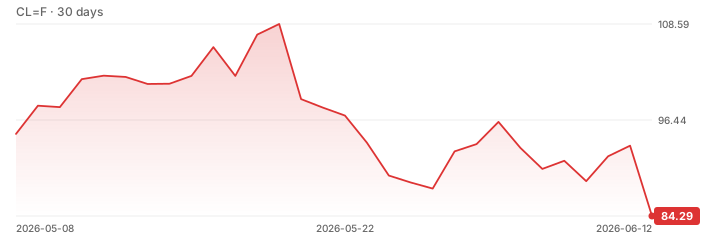
While global crude prices have recently retreated following a reassessment of Middle East hostilities, local supply constraints in Nigeria continue to pose risks to regional energy security and domestic inflation dynamics.