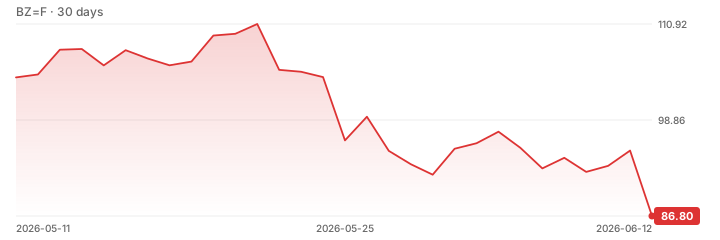
A sharp move in global oil prices has created a stark economic divide across Africa, separating net exporters who are benefiting from higher revenues from importers facing increased import bills.
The divergence highlights the continent's uneven exposure to energy market volatility, with fiscal outcomes now heavily dependent on each nation's trade balance in hydrocarbons.
The repricing of energy assets has triggered immediate adjustments in financial outlooks.
Lenders have responded to the shifting landscape by cutting their 2026 forecasts for the region, reflecting concerns over the strain on net-importing economies.
While producer nations see a temporary boost to state coffers, the broader macroeconomic picture is clouded by the risk of inflation and current account deficits in countries reliant on fuel imports.
This development follows a period of heightened volatility in energy markets, driven by geopolitical tensions in the Middle East.