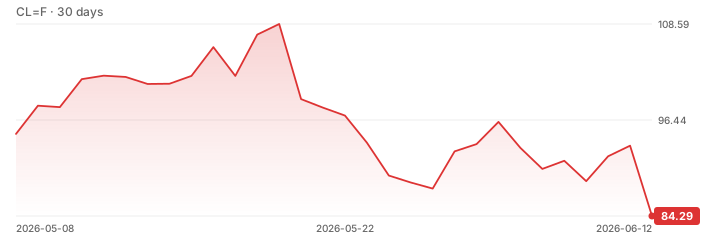
Global crude oil benchmarks extended their decline on Friday, with Brent and WTI sliding nearly 2% as market participants shifted focus from immediate geopolitical flashpoints to the broader supply outlook.
Investors are increasingly assessing whether recent diplomatic efforts in the Middle East will sustainably reduce the risk of supply chain disruptions, rather than reacting to isolated incidents of tension.
This move continues a sharp retreat for global crude, which has fallen more than $3 to reach its lowest levels since before the start of the Iran conflict in February.
The sell-off reflects a broader normalization of shipping routes through the Strait of Hormuz, which has alleviated some of the acute transport bottlenecks that previously supported higher prices.
According to CNBC, traders are digesting a flurry of news from the region but are prioritizing the structural supply picture over short-term volatility.
The market’s reaction suggests that the risk premium embedded in energy prices is being recalibrated as the threat of prolonged disruption appears to be receding.
This move continues a sharp retreat for global crude, which has fallen more than $3 to reach its lowest levels since before the start of the Iran conflict in February.