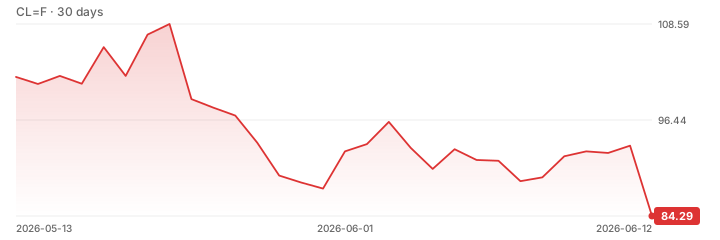
Oil markets are bracing for continued turbulence even as a potential U.S.-Iran diplomatic agreement appears imminent, with analysts warning that geopolitical risk premiums will not vanish overnight.
The prospect of a deal has already triggered a sharp sell-off in crude, but market strategists caution that the underlying structural tensions and supply-route vulnerabilities remain intact.
The recent price decline reflects traders rapidly pricing in a de-escalation scenario following reports that President Donald Trump expects to sign a framework agreement with Tehran within hours.
However, the speed of the repricing highlights how fragile the current sentiment is; any delay or ambiguity in the final terms could quickly reverse the gains and send volatility back into the energy complex.
This dynamic underscores a recurring theme in energy markets: the disconnect between headline diplomacy and physical supply realities.
Even if a formal accord is signed, the threat of renewed sanctions, proxy conflicts, or disruptions in the Strait of Hormuz continues to underpin a risk premium that keeps prices elevated relative to pre-tension levels.