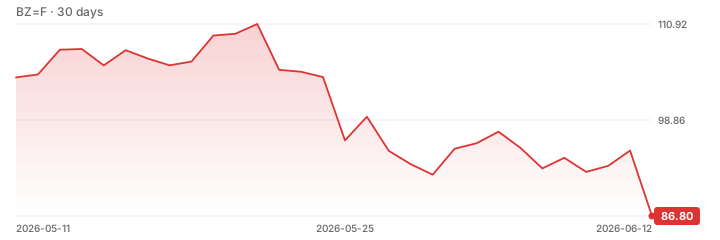
Crude oil markets are rapidly unwinding the risk premium that had propped up prices during the Middle East conflict, driven by a dual catalyst of diplomatic progress and tangible improvements in shipping logistics.
Washington and Tehran have both signaled early progress in negotiations aimed at ending the war, while commercial tanker traffic through the Strait of Hormuz is visibly returning to normal levels.
Brent crude has plunged to $73, erasing wartime gains as traders reassess the probability of a prolonged supply shock.
This convergence of political and operational de-escalation has stripped away the last remnants of the supply-disruption fear that had dominated energy trading for weeks.
Brent crude has plunged to $73, erasing wartime gains as traders reassess the probability of a prolonged supply shock.
The sell-off reflects growing market confidence that the Strait of Hormuz, a critical chokepoint for global energy flows, is no longer an active combat zone.
With commercial vessels openly transiting the corridor again, the immediate threat to global oil supplies has receded, prompting a sharp repricing of risk across energy benchmarks.