The Philippines is intensifying its push for a binding code of conduct in the South China Sea, citing the ongoing crisis in the Strait of Hormuz as a stark warning about the fragility of global trade routes.
Foreign Secretary Maria Theresa Lazaro argued that the disruptions in the Gulf demonstrate the urgent need for clear, enforceable rules in other critical maritime corridors, framing the diplomatic effort as a necessary safeguard for international commerce.
As the current chair of ASEAN, Manila is using its platform to elevate the issue, suggesting that the lessons from the Hormuz standoff should inform how the bloc approaches tensions in the South China Sea.
The administration contends that without a robust legal framework, similar geopolitical pressures could easily disrupt shipping lanes in Southeast Asia, with severe consequences for regional economies and global supply chains.
The diplomatic push comes amid broader concerns about supply chain vulnerabilities.
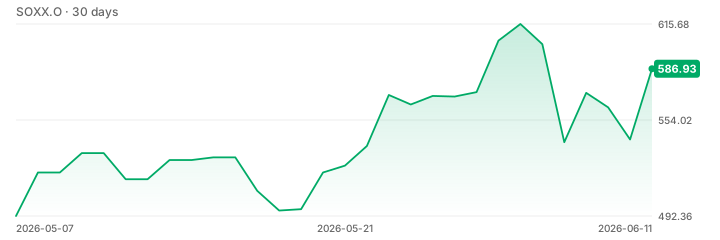
Recent analysis has highlighted how the Hormuz crisis is exposing critical gaps in high-tech industries, particularly semiconductors, which rely on uninterrupted maritime transport.