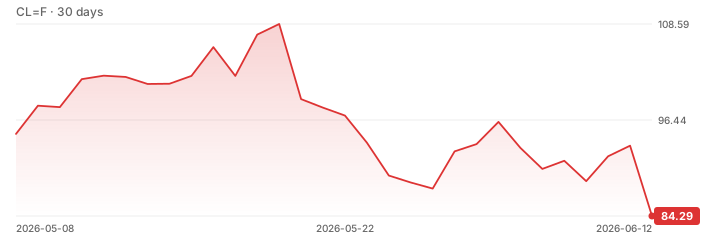
South Korea will reduce the ceiling on fuel prices to align with the recent decline in global crude oil markets, the finance minister announced Friday.
The government also confirmed that electricity and natural gas tariffs will remain frozen for the second half of the year, extending the current price controls to shield consumers from further volatility.
The decision reflects a shift in policy posture as international energy costs soften.
By lowering the fuel price cap, authorities aim to pass through savings to households and businesses, while the freeze on utility rates provides stability for consumers facing persistent inflationary pressures in other sectors.
This move comes as global crude prices have retreated from earlier highs, reducing the immediate need for aggressive price caps.
The government’s dual approach—adjusting fuel limits while holding utility rates steady—signals a calibrated response to changing market conditions, balancing fiscal responsibility with consumer protection.