Two South Korean-operated vessels have successfully navigated out of the Strait of Hormuz, marking the first confirmed commercial transits since the United States and Iran agreed to a ceasefire last week.
The movement confirms that the strategic waterway, which had been effectively blockaded during the conflict, is now open to international shipping traffic.
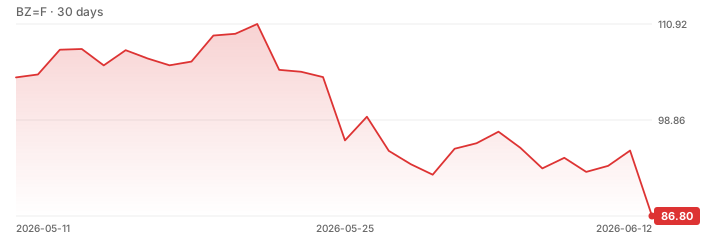
The transit of these vessels serves as a tangible signal to global markets that the acute disruption risk to global oil flows has receded.
For months, traders have priced in a significant risk premium for Brent crude and shipping insurance rates due to the threat of further closures or attacks in the corridor.
The physical return of tankers to the route suggests that the diplomatic breakthrough is translating into operational reality, potentially compressing the geopolitical risk premium embedded in energy and freight markets.
The development follows a formal agreement between Washington and Tehran to end hostilities, a deal that included the lifting of the blockade on the Strait.