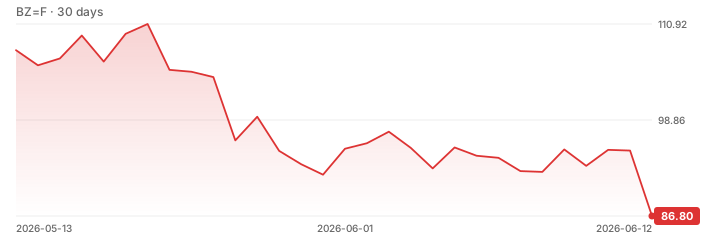
Tanker traffic through the Strait of Hormuz could surge to nearly 50% of prewar levels within a month if the newly finalized U.S.-Iran diplomatic agreement is implemented without major setbacks, according to analysts at trade data firm Kpler.
The projection outlines a rapid but partial recovery in shipping volumes, suggesting that while the immediate blockade threat has receded, the corridor will not immediately return to its historical throughput capacity.
However, the 50% ceiling implies that a substantial supply gap will persist in the near term, keeping a floor under shipping risk and freight rates even as the worst-case scenario fades.
The potential reopening of the chokepoint has already triggered a repricing of geopolitical risk premiums in global energy markets.
Brent crude and tanker equities have rallied on the news, as traders digest the prospect of restored flow through one of the world's most critical energy arteries.
However, the 50% ceiling implies that a substantial supply gap will persist in the near term, keeping a floor under shipping risk and freight rates even as the worst-case scenario fades.
This development follows the confirmation that the United States and Iran have finalized a diplomatic arrangement to ease tensions in the region.