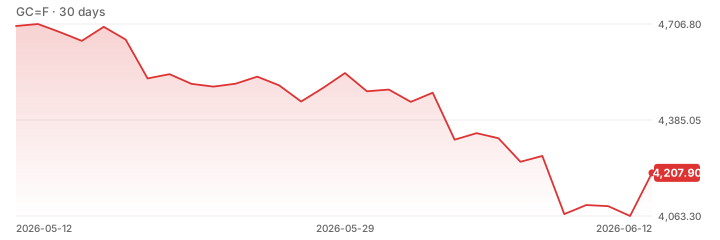
A diplomatic rift has emerged between the United States and its European allies over the specific terms of a proposed deal to reopen the Strait of Hormuz, casting doubt on the immediate resumption of shipping traffic through the critical energy chokepoint.
The disagreement centers on the operational details of the agreement, which Pakistan’s Prime Minister Shehbaz Sharif had previously indicated was in its final stages.
The friction suggests that the reopening of the waterway, which has been effectively closed for two months following a conflict between the United States and Iran, will not happen as quickly as some market participants hoped.
While President Donald Trump recently declared at the G-7 summit that the strait was on the verge of full reopening, the lack of consensus on the deal's mechanics means vessels remain trapped and global energy flows stay constrained.
Shipping associations, including the Swedish association, had expressed renewed hope for transit resumption, but the current diplomatic stalemate undermines those expectations.
The delay in finalizing the implementation details means that insurance, routing, and operational risks persist, keeping freight rates and energy prices elevated as traders price in a longer-than-expected disruption.