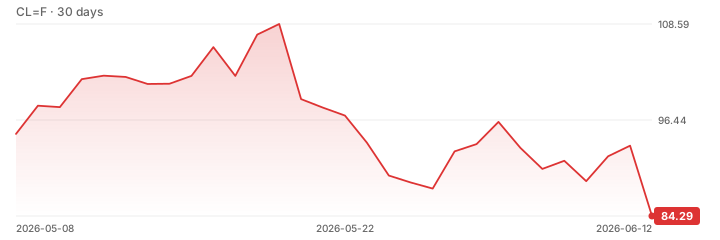
Airlines are facing the prospect of sustained jet fuel cost inflation in the coming months, driven by the ongoing closure of the Strait of Hormuz.
The prolonged disruption to crude oil and refined product flows through the strategic waterway is creating a persistent supply bottleneck that is expected to keep energy prices elevated for the aviation sector.
7 billion euros in fuel costs for the first quarter of 2026 alone, a direct result of the Middle East conflict and its impact on energy markets.
The cost implications for carriers are already material.
Lufthansa, Germany’s largest airline, reported an additional 1.7 billion euros in fuel costs for the first quarter of 2026 alone, a direct result of the Middle East conflict and its impact on energy markets.
This surge in operating expenses highlights the vulnerability of airline margins to geopolitical supply shocks, with industry executives warning of potential shortages in key markets if the situation does not stabilize.
The Strait of Hormuz remains a critical artery for global energy trade, and its continued closure is reshaping logistics and pricing dynamics across the shipping and aviation sectors.