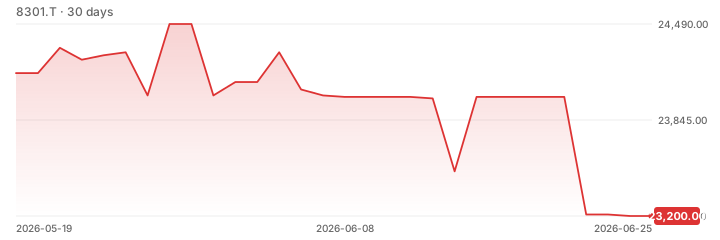
The argument for the Bank of Japan to raise interest rates sooner than previously anticipated is gaining traction, driven by a combination of a weakening yen and underlying economic resilience.
Market participants are increasingly viewing the current macroeconomic environment as unsustainable for the central bank's ultra-loose policy stance, with the currency's depreciation serving as a key catalyst for potential policy shifts.
This development comes against the backdrop of a historic rally in Japanese equities, with the Nikkei 225 on track to finish the quarter with a record-breaking gain of more than 36%.
The yen's recent slide has intensified concerns about import costs and inflationary pressures, forcing policymakers to reconsider the timing of their next move.
While the BoJ has historically prioritized wage growth and sustainable inflation targets, the external pressure from currency markets is adding a new dimension to the debate.
The central bank faces a difficult trade-off: tightening too early could stifle the fragile recovery, while waiting too long risks further currency instability and imported inflation.
This development comes against the backdrop of a historic rally in Japanese equities, with the Nikkei 225 on track to finish the quarter with a record-breaking gain of more than 36%.