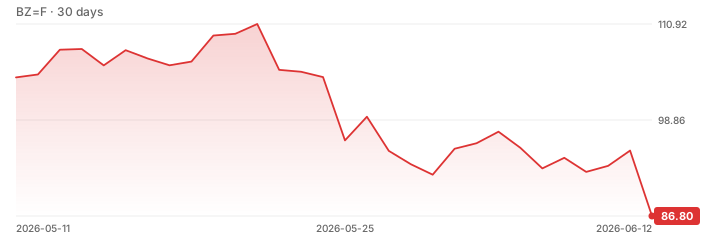
Brent crude climbed 0.4% to US$72.27 a barrel as a strike against a tanker in the Strait of Hormuz highlighted the fragility of the region's shipping lanes.
The incident marks a sharp reversal in sentiment after days of easing tensions, reminding markets that the diplomatic progress between the United States and Iran has not yet translated into secure transit conditions for commercial vessels.
The Strait of Hormuz, which links Persian Gulf producers to global markets, has only partially reopened following its near-total closure triggered by the US-Iran conflict.
While diplomatic talks in Doha had previously driven down geopolitical risk premiums and stabilized Gulf equities, the latest attack suggests that military risks remain acute for shipping operators.
Market participants are now reassessing the durability of the recent calm.
Earlier this week, oil prices had slid for a third consecutive day as traders priced in a de-escalation scenario.
However, the strike on the tanker serves as a tangible reminder that the corridor remains exposed to military activity, keeping a floor under energy prices despite the broader diplomatic thaw.
The incident also echoes earlier warnings about the volatility inherent in the region.
In May, Iran threatened to impose fees on ships transiting the Strait, which had previously spurred significant oil market volatility.