Canada is moving forward with plans to develop a new oil pipeline capable of transporting up to one million barrels per day, a strategic initiative designed to reduce the country's reliance on the United States for energy exports.
The project represents a significant shift in Canadian energy policy, seeking to create alternative export corridors that can better serve global markets and insulate domestic producers from cross-border regulatory risks.
The proposed infrastructure would provide a critical outlet for Canadian crude, particularly from the Alberta oil sands, which has historically faced bottlenecks in reaching international buyers.
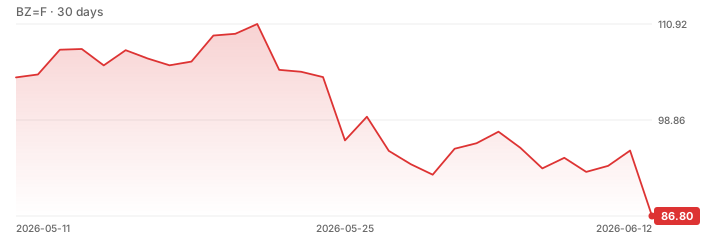
By establishing a direct route to global markets, the project aims to narrow the discount often applied to Canadian heavy crude compared to global benchmarks like Brent.
This diversification is seen as essential for maintaining long-term competitiveness in an increasingly fragmented energy landscape.
This development comes against a backdrop of strong global equity performance in the first half of 2026, where energy stocks have benefited from resilient demand and geopolitical tensions.