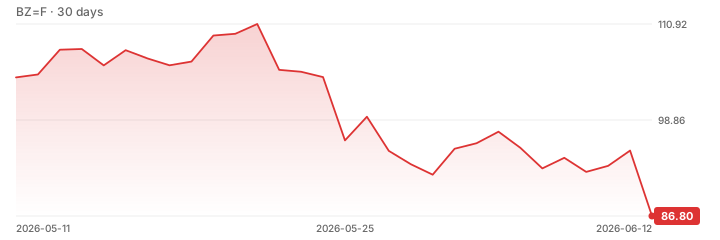
European Union member states are in the final stages of negotiations to finalize the bloc's 21st sanctions package against Russia, with the primary objective of preventing an automatic and significant increase in the Russian oil price cap.
If ambassadors fail to reach a consensus by the July 15 deadline, the existing mechanism will automatically revise the cap upward to $58 per barrel, a scenario that Brussels views as politically and strategically unacceptable.
The urgency stems from the potential market distortion such a hike would create.
A higher price cap would allow Russia to sell more crude at elevated prices, thereby increasing the financial resources available to fund its war effort in Ukraine.
EU officials have been working to secure a temporary freeze or a more restrictive adjustment as part of the broader sanctions framework, aiming to limit Moscow's revenue without disrupting global supply chains.
This diplomatic scramble occurs against a backdrop of tightening energy markets.