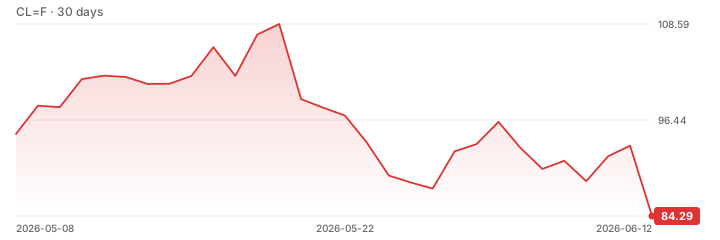
Retail gasoline prices are failing to pass on the benefits of declining crude oil costs to consumers, with tax revenues absorbing much of the drop.
This disconnect between wholesale energy markets and retail fuel prices highlights the structural rigidity in fuel taxation, leaving drivers facing elevated costs despite a softer underlying commodity environment.
The divergence comes as global markets react positively to de-escalating geopolitical tensions.
Equity markets have rallied on news that the United States and Iran are moving toward an interim peace deal, reducing the risk premium embedded in energy prices.
While crude benchmarks have softened in response to the improved diplomatic outlook, the transmission mechanism to retail pumps remains blocked by fixed tax components.
Industry experts note that the current pricing structure means consumers are effectively subsidizing government revenue rather than benefiting from market efficiency.