Gold is entering a critical phase in the second half of 2026, with its trajectory likely to be determined by the interplay between central bank policy and geopolitical stability, according to the World Gold Council’s mid-year outlook.
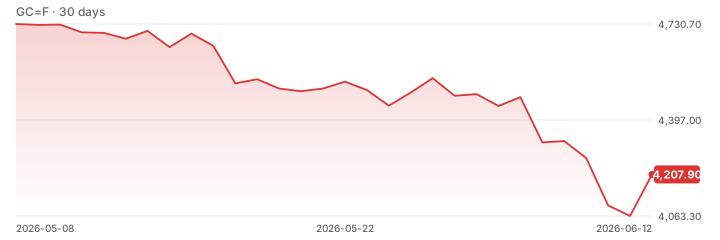
The precious metal has experienced extreme volatility in the first six months, surging to record levels before undergoing a significant correction.
This turbulence reflects a market grappling with conflicting signals from global growth data and shifting interest rate expectations.
The recent sell-off has been driven largely by a recalibration of Federal Reserve policy expectations.
As markets have adjusted their views on the timing and magnitude of potential rate cuts, the opportunity cost of holding non-yielding assets like gold has risen, exerting downward pressure on prices.
This dynamic has contributed to what is shaping up to be the metal’s largest quarterly decline since 2013, as well as its steepest monthly drop since October 2008.